



Cooking Safely with Olive Oil: Tips and Best Practices
Olive oil is one of the most popular and versatile cooking oils in the world, known for its heart-healthy fats and intense flavor. However, as with all oils, it's important to use olive oil safely and correctly in the kitchen so that you can take full advantage of its nutritional value while avoiding potential risks. Whether you're sautéing, frying or drizzling on a salad, this guide will help you understand how to cook safely with olive oil, ensuring you get the best results without compromising your health.
Benefits of Olive Oil
Olive oil, especially extra virgin olive oil (EVOO), is rich in monounsaturated fats, antioxidants and anti-inflammatory properties that contribute to heart health and reduce the risk of chronic diseases such as cancer and diabetes. It is also rich in vitamin E and polyphenols, which play an important role in protecting cells from oxidative stress.
But despite the health benefits of olive oil, it is also important to use olive oil correctly during cooking to ensure that it maintains its nutritional value and does not pose health risks. Let's take a look at the key factors that make cooking with olive oil both safe and effective.

Understanding the smoke point of olive oil
The smoke point of an oil is the temperature at which it begins to break down and s0moke, at which point potentially harmful compounds are produced and it loses its flavor. While olive oil is a healthy choice, it is important to know its smoke point to avoid cooking at temperatures that could compromise the quality and health of the oil.
Extra Virgin Olive Oil : EVOO generally has a smoke point between 375°F and 410°F. This makes it ideal for low to medium temperature cooking methods, such as sautéing or baking at medium temperatures.
Refined Olive Oil: If you plan to cook at higher temperatures, such as sautéing or deep-frying, you may want to choose refined olive oil, which has a higher smoke point of about 465°F.
Extra virgin olive oil retains most of its flavor and health benefits, but refined olive oil can withstand higher heat without breaking down, making it a better choice for high-temperature cooking.
The best uses for olive oil in cooking
Knowing how to use olive oil in different cooking methods will help you retain its flavor and nutritional value. Below are detailed instructions on when and how to safely use olive oil in cooking:
Sauteing:
Use Extra Virgin Olive Oil to saute vegetables, meats or seafood over medium heat. The temperature range for sautéing is usually around 300°F to 350°F, which is the ideal range for Extra Virgin Olive Oil. The rich flavor of olive oil enhances the dish without overpowering the taste.
Roasting:
Olive Oil is ideal for drizzling over vegetables or meats before roasting. Roasting temperatures should be 350°F to 400°F, which is a safe temperature for extra virgin olive oil. Olive oil helps to brown and crisp foods, adding richness and flavor.
Grilling:
When grilling vegetables or meats, a light brush of olive oil will prevent sticking and enhance flavor. When grilling, you can use extra virgin olive oil or refined olive oil, depending on the heat level.
Dressings and dips:
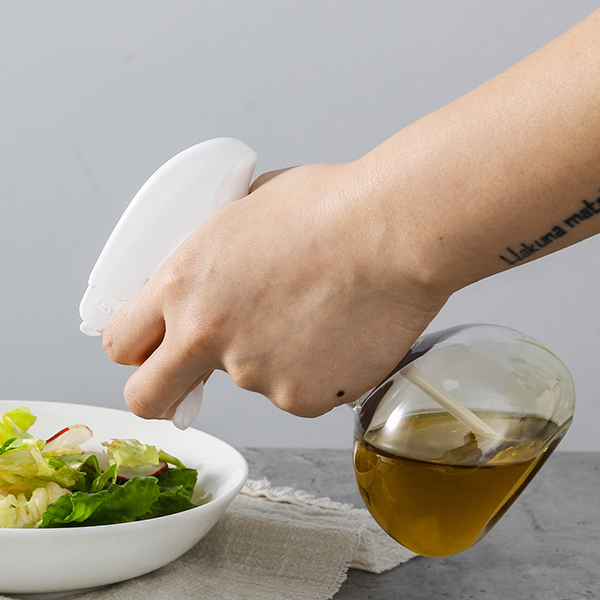
Olive Oil is effective when used in salad dressings, dips or drizzled over cold foods such as cooked pasta. Olive oil retains its health benefits in these applications and adds a smooth, flavorful texture to dishes.

Avoid overheating and reusing the oil
When cooking with olive oil, it is important not to heat it to the point where it begins to smoke, as this can lead to the formation of harmful free radicals and compounds. In addition, reusing olive oil that has been heated several times (e.g. for frying) reduces the quality of the oil and produces toxic substances.
Tip to avoid overheating:
- When using extra virgin olive oil for sautéing, keep the heat on medium-low.
- Purchase a thermometer to monitor oil temperature and prevent overheating.
- If sautéing, use plenty of oil to minimize the chance of burning or decomposition.
Repeated use of olive oil that has been processed at high temperatures several times creates acrolein, a substance that can irritate the eyes and respiratory system. It is best to choose fresh olive oil every time you cook.
Store your olive oil correctly
In order to maintain the freshness and quality of olive oil, it is very important to store it correctly. Exposure to light, air and high temperatures can cause olive oil to deteriorate more quickly. Follow these tips to keep your olive oil fresher for longer:
Store in a cool, dark place: Olive oil should be stored in dark glass bottles or stainless steel containers away from heat sources such as stoves or windows. It is best to store it in a cupboard or food cabinet.
Seal the bottle: Exposure of olive oil to air can cause it to oxidize and lose its flavor and health benefits. Make sure you seal the bottle after each use.
Avoid large containers: olive oil begins to deteriorate once it is opened, so if you use it regularly, it is best to purchase smaller bottles.

Cooking with olive oil: a healthy and tasty option
While olive oil is known for its health benefits, there are other oils to consider when you're cooking at high temperatures or need a more neutral flavor. However, olive oil is still one of the best choices for most cooking methods because of its high content of monounsaturated fats and antioxidants. Additionally, its ability to add flavor without overpowering a dish makes it ideal for a variety of recipes.
Using olive oil within the ideal cooking temperature range can enhance the flavor of your dishes, provide essential nutrients, and even improve your health. By understanding how to use it properly, you will be able to take full advantage of its wealth of benefits in your everyday cooking.
Final Thoughts on Safe Cooking with Olive Oil
Olive oil is undoubtedly one of the healthiest and most flavorful oils in the kitchen. In order to ensure that you cook safely with olive oil and retain its many benefits, it is important to be aware of its smoke point, use the right type for your cooking method and store it properly. With these tips in mind, you can enjoy the full health benefits of olive oil while enhancing the flavor of your meals.
Whether you drizzle extra virgin olive oil over a fresh salad or use it to sauté vegetables, olive oil is a versatile and essential ingredient that can help you cook safely and healthily.