



From Sketch to Shelf: Understanding OEM Product Development Timelines
Bringing a product from concept to market is no easy feat. This is especially true for brands looking to launch high-quality kitchen tools, for whom understanding the OEM process is crucial. Partnering with an experienced manufacturer can make the difference between a delayed launch and the successful delivery of a product that meets both performance and design expectations.
This guide will delve into the practical timelines of OEM, common challenges, and how to set realistic expectations for product development.

Phase 1: Concept and Design
Every successful product begins with an idea. During the concept and design phase, brands typically approach us with sketches, inspiration, or simply a vision of the grinder or kitchen tool they wish to launch. This phase usually accounts for 10% to 20% of the total project cycle, yet its impact far exceeds its duration.
Understanding Brand Requirements
Before embarking on the design of any product line, our R&D team works closely with clients to gain a deep understanding of their functional, aesthetic, and technical requirements. For example, with coffee grinders, a brand might prioritize grind consistency, portability, or noise reduction. For salt and pepper grinders, key considerations include corrosion resistance, grind size adjustment, and storage capacity.
At Chinagama, we have an R&D team of 19 engineers with expertise in mechanical engineering, electronics, and industrial design. This enables us to transform rough sketches into detailed 3D renderings and technical blueprints, ensuring that products are not only visually appealing but also technically feasible.

Design Iteration
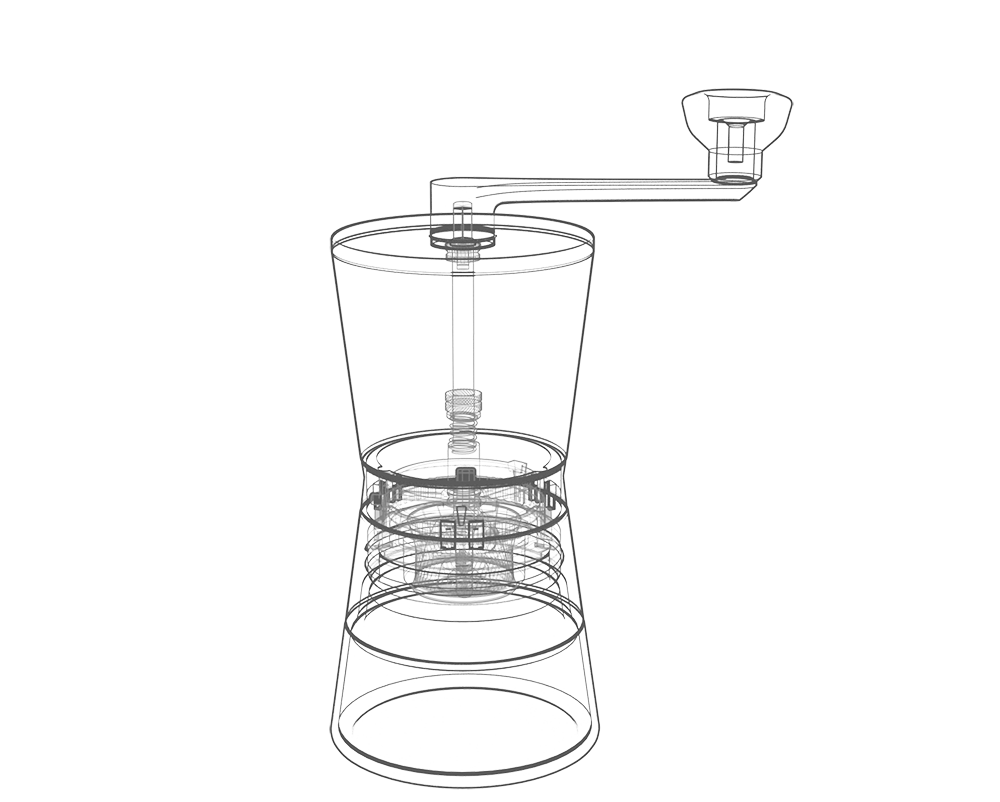
Products rarely launch flawlessly on the first attempt. Continuous improvement requires multiple iterations, particularly regarding structure and manufacturing processes. Take the coffee grinder as an example: we evaluate whether the folding handle structure can withstand repeated use and how to design the external adjustment ring for greater ease of use. By addressing these technical issues early on, we can minimize potential problems in later stages—problems that might otherwise extend the entire project timeline by weeks or even months.
Phase Two: Prototyping
Once the design is finalized, we move into the prototyping phase, where ideas are transformed into physical objects. This stage is critical for testing functionality, form, and usability, and typically accounts for 20% to 30% of the total project timeline.
Creating the First Samples
Prototypes allow brands to experience the product firsthand. For example, a prototype of a new electric coffee grinder allows clients to evaluate grind consistency, motor noise, and rotational speed. For salt and pepper grinders, prototypes can test grinding smoothness, corrosion resistance, and ergonomic design.
At Chinagama, we utilize advanced prototyping technologies—from rapid 3D-printed models to fully functional pre-production samples—to ensure each prototype accurately represents the final product.
Feedback and Adjustments
Once prototyping is complete, we make adjustments based on customer feedback. Sometimes the handle needs to be slightly longer, the grinding mechanism requires greater precision, or the salt container capacity needs improvement. Each iteration may take 1–2 weeks, depending on the complexity.
Effective communication is crucial at this stage. Factories lacking an R&D team or the ability to respond quickly often face delays of several weeks, which can impact production schedules.
Phase 3: Testing and Certification
No matter how excellent a design may be, it is useless without reliability and safety. Testing and certification are critical for protecting both the brand and the end user. This phase may account for 15% to 25% of the total time, but skipping it or rushing through it often leads to costly recalls or market backlash.
In-House Testing
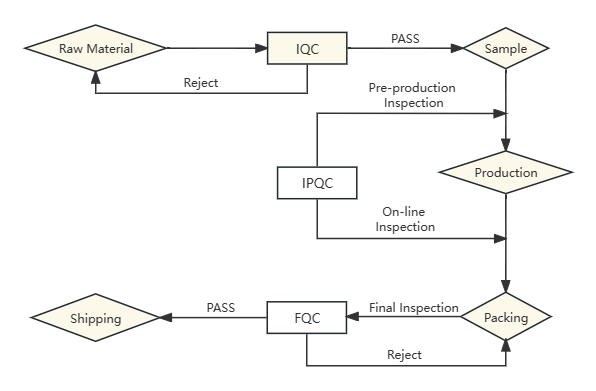
Our internal quality control processes are extremely rigorous. For coffee grinders, this includes motor durability testing, grind consistency checks, and material durability assessments. For salt and pepper grinders, we test the corrosion resistance of ceramic or stainless steel grinding cores under accelerated aging conditions.
International Certification
For brands targeting global markets, compliance with LFGB, FDA, or CE standards is non-negotiable. Chinagama has extensive experience in obtaining food-grade certifications for different regions worldwide, ensuring products are safe and compliant through region-specific certification processes.
Phase 4: Production
Once the design is finalized and certified, production can begin. Production planning must be precise and error-free, as it involves every stage from material procurement and production scheduling to assembly and packaging.
Pilot Production
Small pilot runrun allows clients to verify the manufacturability and quality of the final product. This step often reveals minor adjustments needed before scaling up production. For example, we can fine-tune the spring tension in a manual coffee grinder or ensure the sealing cap on a salt grinder fits perfectly to prevent leakage.
Mass Production
Mass production is where experienced manufacturers truly demonstrate their value. Chinagama produces over 12 million grinders annually, efficiently managing logistics, assembly lines, and quality control. Less experienced factories, however, may encounter bottlenecks in parts supply, assembly speed, or packaging consistency, leading to delays.
Packaging and Shipping
Packaging is the final step before a product reaches a store or warehouse. It is not just about aesthetics; more importantly, it protects the product during transit. Brands often underestimate the time required for custom packaging design, testing, and bulk printing, which can extend the entire process by weeks.

Stage 5: Estimated Timeline
While every project is unique, a general OEM timeline for grinders might look like this:
|
Stage |
Typical Duration |
|
Concept & Design |
2–4 weeks |
|
Prototyping |
3–6 weeks |
|
Testing & Certification |
4–8 weeks |
|
Pilot Production |
2–3 weeks |
|
Mass Production & Packaging |
4–8 weeks |
Total Duration: The process from initial sketches to the finished product typically takes about 3–5 months, depending on complexity, certification requirements, and the client’s response time. For brands, it is crucial to plan ahead and build in a buffer to accommodate unexpected adjustments. Factories like Chinagama, with well-established processes and in-house R&D capabilities, are best positioned to minimize delays while ensuring product quality.
Stage 6: Common Misconceptions
Many brands underestimate the time, expertise, and coordination required to successfully launch a product. Here are some common misconceptions:
- “The prototype is the final version.” — A prototype is merely a test model; adjustments are normal.
- “Certification is optional.” — Compliance ensures market access and prevents costly recalls.
- “Faster production means better service.” — Rushing often sacrifices quality; experienced OEMs strike a balance between speed and precision.
- “Design changes late in production are easy.” —Late-stage changes significantly increase lead times and costs.
Understanding these realities helps brands set realistic expectations and collaborate efficiently with manufacturers.
Why Partnering with an Experienced OEM Is Critical
Choosing the right OEM is not just about price; it’s about expertise, reliability, and innovation.
With decades of experience in manufacturing coffee and spice grinders, Chinagama offers:
- Over 400 patents and numerous international design awards, reflecting our commitment to innovation.
- An advanced quality control system that ensures consistent product performance.
- In-house R&D capabilities to tackle challenges in mechanical, electronic, and industrial design.
- Experience serving global brands, enabling us to manage projects from concept to delivery.
Conclusion
Launching a new product is a long journey. From the initial concept sketch to the final fully certified and packaged product, every stage requires meticulous planning, professional expertise, and effective communication. Therefore, only by partnering with a reliable supplier can you ensure your concept is efficiently transformed from a sketch into a tangible product.
