




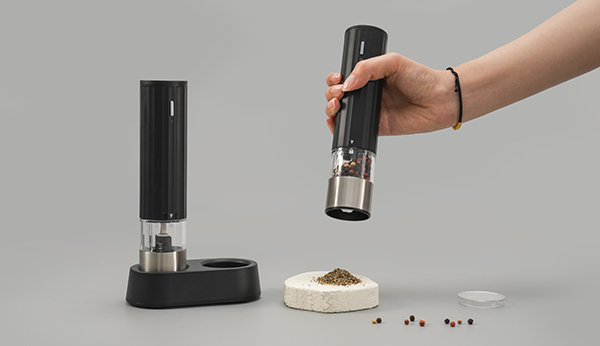
How to Use a Pepper Grinder Properly: A Practical Guide to Grind Settings & Care
A pepper grinder seems like one of the simplest tools in the kitchen. Add peppercorns, give it a few twists, and fresh pepper lands on your food. But after using one for a while, you might run into a few puzzles. Why does the grind come out uneven? Why has the grinder suddenly become hard to turn? And why do the same peppercorns produce completely different results in another grinder?
The peppercorns are only part of the story. The grinding mechanism, grind setting, how you fill the grinder, and your everyday habits all affect the results. A few simple adjustments can help your grinder run more smoothly and give you the texture you're after.
This guide starts with how a pepper grinder works, then walks you through filling, adjusting, and using it. You'll also learn which grind sizes work well with different foods, how to keep your grinder clean, and what to check when something goes wrong.

How Does a Pepper Grinder Work?
Before getting into how to use a pepper grinder, it helps to understand what's happening inside.
At the center of every pepper grinder is a grinding mechanism. Whole peppercorns enter this mechanism, where two grinding surfaces crush them into smaller pieces through pressure and friction. A smaller gap between those surfaces generally produces finer pepper. A wider gap produces coarser pieces.
That's why many pepper grinders have adjustable grind settings. Changing the gap lets you choose a texture that suits what you're cooking. Some grinders use a knob on top; others have an adjustment ring at the base or around the body. The design and adjustment direction vary, so follow the markings or instructions for your grinder rather than assuming they all work the same way.
The material of the grinding mechanism also affects how the grinder performs. Ceramic mechanisms resist corrosion well, which is why they're often used in both salt and pepper grinders. Stainless steel mechanisms offer strength and wear resistance, making them another common choice for pepper grinders. You might not see these parts during everyday use, but they determine how smoothly and consistently your grinder works.

How to Use a Pepper Grinder
Using a pepper grinder isn't complicated. It's the small, easily overlooked details that deserve attention.
Start with whole, dry peppercorns rather than ground pepper. The mechanism is designed to grind whole peppercorns as they move between its grinding surfaces. You don't need to pack the chamber to the brim, either. Leaving a little room helps the peppercorns move into the mechanism more easily.
Once you've filled the grinder, try a medium setting. If the pepper comes out too coarse, gradually adjust toward a finer grind. If turning the grinder takes noticeably more effort, loosen the setting a little. Small adjustments make it easier to find the right texture than jumping straight to the finest or coarsest setting. They also help avoid unnecessary strain on the mechanism.
With a manual grinder, hold it steady and turn it with a smooth, even motion. There's no need to twist harder to get more pepper, especially on a fine setting. If grinding becomes difficult, checking the setting usually helps more than applying extra force.
Electric pepper grinders require even less effort. Some start at the press of a button; others turn on automatically when tilted. Use whichever method your model calls for. If you're seasoning a lot of food at once, an electric grinder can spare your hands the repeated twisting. If you prefer to control the pace yourself, a manual grinder is still a straightforward choice.
How Coarse Should You Grind Pepper?
No single grind setting works for every dish. Grind size affects how evenly pepper spreads through food, how it feels when you eat it, and how its flavor comes through.
|
Grind Size |
Common Uses |
|
Fine |
Soups, sauces, salad dressings, marinades |
|
Medium |
Everyday cooking, eggs, vegetables, pasta |
|
Coarse |
Steaks, roasted meats, roasted vegetables, seasoning just before serving |
Finely ground pepper blends easily into soups and sauces without leaving a noticeable gritty texture. For everyday cooking, a medium grind is a practical starting point. It delivers a distinct pepper aroma without making the individual pieces too noticeable.
A coarse grind works well on steak, roasted meats, and other foods where you want the pepper to stand out. The larger pieces add more texture, especially when you sprinkle them over the food after cooking.
These are starting points, not fixed rules. Some people like their pepper finely ground; others prefer the texture of larger pieces. A good pepper grinder should give you enough adjustment range to find what suits your taste and the way you cook.
What Can Affect Your Pepper Grinder's Performance?
When a grinder starts acting up, it's easy to blame the grinder itself. But a few seemingly minor habits can affect the results, too.
Overfilling is a common one. Packing in more peppercorns means fewer refills, but it can also crowd the chamber and keep them from moving smoothly into the grinding mechanism. This is especially true of larger-capacity grinders. Leaving some room can actually help them grind properly.
An overly fine setting is another common cause. A finer grind means a smaller gap between the grinding surfaces, so the peppercorns meet more resistance as they pass through. If your grinder suddenly feels hard to turn, try a coarser setting and see how it performs instead of twisting harder.
The peppercorns themselves are easy to overlook. Black, white, green, and pink peppercorns differ in size, hardness, and moisture content. If the grinding speed or texture changes after you switch varieties, that doesn't necessarily mean something's wrong with the grinder.
Most importantly, a pepper grinder shouldn't require brute force. Grinding should feel reasonably smooth. If resistance suddenly increases, check the peppercorns, the grind setting, and whether any residue has built up inside.
How to Clean and Maintain a Pepper Grinder
Pepper grinders don't need frequent, complicated deep cleaning. For everyday care, periodically emptying out the remaining peppercorns and clearing loose pepper from around the grinding mechanism is usually enough to address most issues.
Use a small, dry brush to remove residue inside, then wipe the outside with a soft, dry cloth. If your grinder has removable parts, follow the manufacturer's cleaning instructions.
Here's the thing: you shouldn't assume every pepper grinder can be rinsed with water. Moisture can affect the internal parts and leave leftover pepper damp. Unless the instructions clearly say a particular part is washable, dry cleaning is generally the safer choice.
If you do use water during cleaning, let every part you've washed dry completely before reassembling the grinder. With regular use, a little care helps maintain consistent results and can extend the grinder's life.

Why Isn't My Pepper Grinder Working Properly?
If your grinder suddenly stops dispensing pepper, don't assume it's broken.
First, check that there are enough peppercorns in the chamber. Sometimes they get stuck at the entrance to the grinding mechanism and can't move through. A very fine setting can also make it difficult for peppercorns to pass. Adjusting it slightly coarser often helps.
If the grind becomes uneven, the output drops, or the grinder gets harder to turn after prolonged use, look for a buildup of pepper residue inside. If cleaning doesn't solve the problem, the grinding mechanism may be wearing out.
For an electric grinder, check the batteries or charge level as well. If the motor starts normally but grinding performance has dropped, you'll still need to check the grind setting, the condition of the peppercorns, and the internal mechanism.
A problem doesn't always mean you need a replacement. Many common issues clear up with a grind adjustment, a little cleaning, or a fresh batch of dry peppercorns.
Should You Choose a Manual or Electric Pepper Grinder?
Neither type is better across the board. The right choice depends more on how you'll use it.
Manual pepper grinders are simple to operate and don't need batteries or charging. Turning the grinder also gives you direct control over how quickly the pepper comes out and how much you use. If you enjoy traditional kitchen tools or don't use much pepper at a time, a manual grinder will usually do the job.
Electric grinders focus on convenience. Press a button or tilt the grinder, and it starts working. They're especially handy for one-handed use. Whether you're seasoning while cooking or working through a larger batch of ingredients, an electric design reduces the repetitive hand movements.
Some electric grinders also offer adjustable grinding mechanisms, USB charging, and automatic activation. These features make a traditional seasoning tool more convenient for everyday kitchen use.
Your habits should guide the choice. Whether it's manual or electric, a good grinder should make grinding simple and consistent while letting you adjust the texture with ease.

Getting the Most Out of Your Pepper Grinder Doesn't Take Complicated Tricks
You don't need to memorize a long list of rules. Use whole, dry peppercorns. Leave some room in the chamber, adjust the grind to suit your food, and check the settings and internal parts when you feel unusual resistance. These simple habits can resolve most everyday problems.
What really matters isn't just whether a grinder can grind pepper. It's whether the process feels effortless.
A good pepper grinder should deliver consistent results while giving you enough control. Cooking steak today? Choose a coarse grind. Making soup tomorrow? Switch to fine. That change should take a simple adjustment, not another wrestling match with your grinder.
When a pepper grinder does all this without a fuss, you might barely notice it. But whenever you need fresh pepper, it delivers dependable results. That's what a good grinder should do.
If you're looking to customize pepper grinders or buy in bulk, Chinagama is an excellent choice. As a salt and pepper grinder manufacturer, Chinagama brings over 30 years of experience in spice grinder research, development, and production. Our project experience covers everything from material selection and grinding mechanism design to structural improvements and new exterior designs. Whether you need a fully custom product or simpler logo and packaging customization for one of our existing designs, we can help. Let's create your next bestselling pepper grinder.


Brant – Design Director
English version:
Brant brings over 20 years of expertise in product research and structural design. As Design Director, he leads the development of our product lines, driving innovation that has resulted in more than 400 patents. With his well-rounded skillset and strong leadership, Brant has built a reputation as a highly respected figure in the kitchenware industry.- Email:sns@garron.cn
- Phone: +86-0574-27729216