




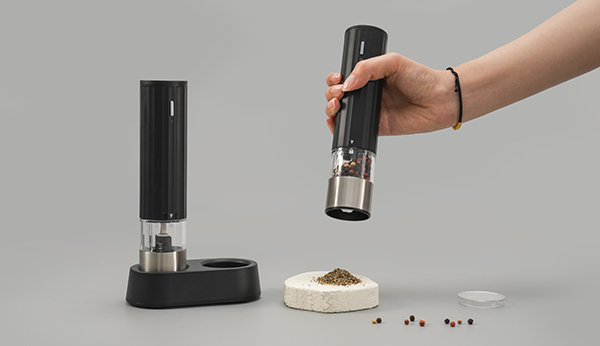
From Espresso to French Press: Choosing the Right Manual Coffee Grinder
In the pursuit of brewing exceptional coffee, the grinder stands as an indispensable core tool. While automatic coffee grinders offer convenience and efficiency, manual grinders remain highly favored by coffee enthusiasts and professionals alike. Their stability, precision, and portability are crucial—whether you're extracting a rich espresso shot or preparing a full-bodied French press brew.
The challenge lies in the fact that espresso and French press represent opposite ends of the grind spectrum. Espresso demands a near-powdery fine grind, while French press requires coarse, granular particles. Choosing the right manual coffee grinder means finding one that adapts to both needs—or selecting a model perfectly suited to your brewing method.
This guide delves into the critical differences between espresso and French press grinds, dissects the core functions of manual grinders, and teaches you how to select the right manual coffee grinder.

Why Grind Size Matters: Espresso vs. French Press
Espresso:
Espresso is brewed under high pressure, usually 9 bars or more, in just 25–30 seconds. To extract a balanced shot, the grind must be very fine and consistent, almost like powdered sugar. Too coarse, and the water will flow through too quickly, resulting in a sour shot. Too fine, and you risk over-extraction and bitterness.
French Press:
The French Press, by contrast, relies on full immersion brewing for 4–5 minutes. It requires a coarse grind, roughly the size of sea salt flakes. Using grounds that are too fine leads to sludge in your cup and a muddy mouthfeel, while too coarse can cause weak, under-extracted coffee.
Comparison at a glance:
|
Brewing Method |
Ideal Grind Size |
Texture |
Brew Time |
Flavor Result |
|
Espresso |
Extra fine |
Powdery |
25–30 sec |
Rich, intense, crema |
|
French Press |
Coarse |
Chunky |
4–5 min |
Smooth, full-bodied |
This contrast shows why having the right grinder matters so much—you need a tool that can match your brewing method.
Key Considerations for Selecting Manual Grinders
Manual grinders vary significantly in performance. Before purchasing, focus on these critical factors that determine performance and durability:
Grind Consistency
The core factor. A high-quality grinder produces uniformly sized particles, whether the fine grind needed for espresso or the coarse grind suitable for French presses. Consistency ensures thorough extraction and superior flavor.
Burr Material: Ceramic vs. Stainless Steel
Ceramic burrs offer exceptional durability, long-lasting sharpness, and heat resistance ideal for extended use. Their rust-proof properties are particularly advantageous in humid environments.
Stainless steel burrs deliver initial superior sharpness and faster grinding speeds, making them well-suited for producing fine espresso grounds. However, they may wear faster over time.
Adjustable Grind Settings
Opt for grinders with a wide adjustment range. Precise control is essential for adapting to diverse brewing methods like espresso, pour-over, and French press.

Capacity
Compact grinders hold 20-25 grams of beans, perfect for single-cup brewing. Larger models grind 40-60 grams per batch, ideal for French press brewing or sharing among multiple people.
Portability vs. Craftsmanship
For travel or camping, prioritize compact, lightweight grinders with durable construction (stainless steel or aluminum alloy). Home use emphasizes ergonomic comfort and stability.
The Ideal Grinder for Espresso Enthusiasts
Espresso demands ultimate precision. When selecting a manual grinder, focus on:
Fine Adjustment Capability: Micro-adjustment is crucial for calibrating espresso shots
Robust Burrs: Sharp stainless steel burrs consistently produce uniform, fine particles
Sturdy Construction: Loose burrs or wobbly handles compromise grind consistency
For espresso enthusiasts, investing in a quality grinder is non-negotiable. It determines whether you savor a rich, frothy espresso or a disappointing, watered-down brew.
The Ideal Grinder for French Press Enthusiasts
French press brewing emphasizes body, smoothness, and clarity. To achieve this, a grinder should:
Effortlessly handle coarse grind settings while minimizing fine particles (which cloud the coffee).
A large capacity, as French press recipes typically require 30-60 grams of beans.
Effortless grinding—while coarse settings require less force, smooth operation remains essential.
The ideal choice for French press grinding is a ceramic burr grinder with clear adjustment markings.
Can One Grinder Meet All Needs?
Many coffee enthusiasts brew both espresso and French press coffee. Is one grinder sufficient?
The answer is yes—provided it offers a wide grind range and precise adjustment mechanisms.
Modern high-end manual grinders are engineered to cover diverse needs from espresso to cold brew. Key selection criteria:
Stepless or finely graduated adjustment system
Premium burr sets designed for versatility
Balance between portability and capacity
This “all-in-one” design perfectly meets the demand for a single grinder that seamlessly accommodates multiple brewing methods without compromise.
Manual Grinder Maintenance Guide
Proper care ensures your premium grinder lasts longer:
Regular Cleaning: Grease and fine particle buildup can affect flavor. Brush the burrs after every few uses.
Moisture-Proof Storage: Keep in a dry location to prevent rust.
Regular Calibration: Prolonged use may loosen the adjustment mechanism. Calibrate periodically to maintain grinding precision.
Select Appropriate Beans: Avoid flavored or oily beans to prevent burr clogging.

Partnering with Professional Manufacturers
Beyond individual coffee needs, numerous brands and enterprises are exploring customized coffee products. A premium grinder can serve as a signature item in a coffee shop's product line or as a core offering for lifestyle brands.
Chinagama specializes in designing and manufacturing high-quality manual grinders for global brands and enterprises. With over 20 years of experience, we provide:
OEM and ODM services tailored to brand identity.
Customizable features: burr type, grind adjustment system, body design, and capacity specifications.
Stringent quality control: backed by international certifications including LFGB and FDA.
Proven success: established long-term partnerships with globally renowned kitchenware and coffee brands.
Whether you require premium grinders for espresso enthusiasts or portable models designed for outdoor adventurers, Chinagama manual coffee grinder factory empowers you to bring your creative vision to life.
Conclusion
Selecting the right manual coffee grinder depends on your brewing method: espresso demands precise, fine grind control, while French presses work best with coarse, uniform particles. Some grinders specialize in specific applications, while others offer versatile performance across the entire spectrum.
For coffee enthusiasts, invest in a grinder that aligns with your personal style and elevates your brewing ritual. For brands or businesses, consider partnering with trusted manufacturers like Chinagama to develop grinders that meet market demands and reflect your values.