

Engineering Classification of the Compact Pepper Grinder
An exact mechanical definition and operational boundary for procurement engineers, supply chain specialists, and private label managers evaluating compact kitchen spice mills.
Standard Compact Footprint
The industrial definition of a compact pepper grinder designates a device height ranging strictly between 100 mm and 145 mm with an external outer diameter between 45 mm and 60 mm.
- Volume envelope: Ultra-portable form factor optimized for reduced counter real estate and low shipping cubage.
- Spice chamber load: 25g to 60g whole black peppercorns (Piper nigrum).
- Gross dry weight: Balanced between 140g and 280g depending on casing material composition.
Crushing Mechanism Geometry
Operates via conical grinding cores driven by manual torque inputs. Precision milling teeth progressively crush, shear, and cleave spices rather than pulverizing them, preserving essential piperine oils.
- Core configuration: Female outer ring paired with a male conical inner rotor.
- Adjustable clearance: Micrometric gap variance from 0.2 mm (fine espresso-like dust) to 2.5 mm (coarse cracked peppercorn).
- Drive connection: Centralized food-grade steel shaft with axial stabilization springs.
Supply Chain Viability
Designed engineered for high-efficiency container packing densities, pallet optimization, and multi-tier retail display formats across international homeware and hospitality channels.
- Freight efficiency: 40HQ container holds up to 48,000 units in export packaging.
- Drop endurance: Passed standard ISTA-1A drop verification without burr displacement.
- Regulatory scope: Full compliance with LFGB (Germany), FDA 21 CFR, and EU No 10/2011.
-

ODM Colorful Manual Plastic Salt and Pepper Grinders with Ceramic Burr

-
ODM Modern Adjustable Manual Salt and Pepper Grinder

-
Wholesale Adjustable Plastic Salt and Pepper Grinder with Plastic Burr

-
Custom Compact Portable Spice Mill with Plastic Grinder

-
Wholesale Plastic Handheld Pepper Grinder with Ceramic Burr

-
Wholesale Glossy Plastic Manual Pepper Grinder

-
Wholesale Plastic Adjustable Pepper Grinder with Glass Jar

-
Custom Plastic Grinder For Dried Peppers

manual pepper grinder tolerance
Quantified metrics for bulk sourcing procurement teams inspecting compact pepper grinder assembly tolerances, capacity ratings, and throughput kinetics.
| Parameter Category | Engineering Specification | Standard Tolerance Threshold | Verification Test Standard |
|---|---|---|---|
| Chassis External Height | 115 mm – 138 mm | ±0.25 mm | ISO 2768-m Digital Caliper |
| Cylinder Diameter (Grip) | 48 mm – 56 mm | ±0.15 mm | Direct Metric Micrometer |
| Net Chamber Volume | 40 ml to 65 ml (30g–50g peppercorns) | ±2.0 ml | Volumetric Displacement / Weight |
| Burr Core Composition | 95% High-Alumina Ceramic (Al₂O₃) | Hardness ≥ Rockwell 82 HRA | ASTM E18 Hardness Indentation |
| Drive Shaft Material | SUS304 Austenitic Stainless Steel | Tensile ≥ 520 MPa | Spectrometric Elemental Assay |
| Rotational Torque Requirement | 0.28 N·m – 0.42 N·m (Standard Tellicherry) | Peak < 0.60 N·m | Digital Rotary Torque Sensor |
| Grinding Output Throughput | 0.65 g – 0.95 g per 10 manual revolutions | ±0.08 g/cycle | Calibrated Analytical Balance |
| Granular Size Adjustment Range | 200 µm (Fine Powder) – 2200 µm (Cracked) | 5-Stage Stepped / Stepless | Laser Diffraction Particle Size Analysis |
| Axial Shaft Runout (Concentricity) | Total Indicated Runout (TIR) ≤ 0.08 mm | Max 0.12 mm | Dial Gauge on Precision V-Blocks |
| Thermal Stability (Grind Zone) | Continuous operation -10°C to +85°C | No deformation | Thermal Chamber Cycle 48H |
Internal Anatomy of a Heavy-Duty Manual Spice Mill
A deconstructed look at the critical mechanical assemblies that ensure consistent spice output, zero gear slippage, and superior lifespan under continuous foodservice duty cycles.
Alumina Ceramic Burr Geometry
The core grinding dynamic relies on high-density sintered ceramic (fired at 1650°C). Unlike stamped carbon steel or cheap plastics, ceramic will never oxidize, absorb moisture from coarse sea salts, or dull over time.
Precision-milled helical cut flutes pull whole corns inward, while diamond-honed shear micro-ridges fracture hard hulls cleanly without gumming.
Dual-Spring Axial Preload System
Shaft stability is maintained using an internal 302-grade stainless steel compression spring. The spring maintains constant outward preload on the male rotor cone, eliminating internal mechanical play.
This design prevents burr chatter during coarse grinding settings and ensures the user-selected particle size remains constant throughout long-term repetitive grinding.
Stepped Retention Mechanism
Our top or bottom adjustment mechanisms feature tactile click-indexing notches. Each detent represents a 0.05 mm shift in rotor gap clearance, providing repeatable feedback for the user.
Engineered with anti-loosening threading to guarantee that grinding vibrations do not back out the adjustment dial during heavy rotational use.
compact pepper grinder Material & Mechanism Architecture Comparison
A rigorous comparative audit for B2B buyers evaluating standard commercial compact mills versus precision-engineered ceramic burr assemblies.
High-Density Ceramic Burr System
Primary Material: 95% Al₂O₃ Sintered Ceramic Core with SUS304 Axle
- Salt & Spice Compatibility: 100% inert; zero corrosion with Himalayan pink salt, black pepper, coriander seeds, or dried chili.
- Aroma Preservation: Cold milling dynamics generate near-zero friction heat, preventing spice oil evaporation.
- Hardness Rating: Mohs Hardness 9.0 (exceeded only by diamond and cubic boron nitride).
- Duty Cycle Life: Rated for >150,000 full grinding cycles without structural wear or edge degradation.
- Bulk Sourcing Cost-to-Life: Lowest lifetime warranty replacement rate (<0.03% in field evaluations).
Standard Carbon Steel / Cast Iron Core
Primary Material: Stamped Carbon Steel or Sintered Zinc Alloy
- Salt & Spice Compatibility: Rapidly oxidizes and rusts if exposed to salt, humid steam, or dishwashing environments.
- Aroma Preservation: High heat transfer profile can scorch delicate volatile aromatics during high-speed turning.
- Hardness Rating: Mohs Hardness 5.5 to 6.5; vulnerable to tooth dulling against stone inclusions.
- Duty Cycle Life: Typically degrades between 15,000 and 25,000 rotations.
- Bulk Sourcing Cost-to-Life: Lower initial FOB purchase price, but significantly higher consumer return rate.
Bulk Sourcing Pitfalls & Defect Prevention Protocol
Uncovering critical mechanical failure modes in low-cost spice grinders and detailing how standardized factory QC eliminates warranty liabilities.
Shaft Eccentricity & Burr Runout
The Failure: Off-center drive shafts cause the male ceramic cone to scrape directly against the female stator ring, causing ceramic chipping, fine debris contamination, and uneven particle size distribution.
Factory Resolution: Dual POM guide bushings anchor both top and bottom shaft terminals, limiting radial runout to less than 0.08 mm under full rotational torque.
Inadequate Ceramic Sintering Density
The Failure: Low-cost factories cut furnace dwell times, producing porous, fragile ceramic cores that fracture when meeting peppercorn clusters or small naturally occurring pebbles.
Factory Resolution: Full 1650°C high-temperature sintering profile with 100% Rockwell diamond-indentation verification across every ceramic lot before assembly.
Adjustment Thread Slippage
The Failure: Weak thread engagement on the adjustment knob allows rotational grinding forces to tighten or loosen the setting during use, frustrating end consumers.
Factory Resolution: Precision Acme trapezoidal threading or ball-bearing detent ratchets prevent self-loosening over thousands of continuous grinding cycles.
bulk pepper grinder sourcing
A step-by-step technical framework to qualify tier-1 compact grinder manufacturers before releasing mass production purchase orders.
1. Material Food Contact Compliance
Demand documented raw material safety sheets for every spice-contact surface. Casing plastics (acrylic, SAN, AS, or Tritan) must be 100% BPA-free, bisphenol-S-free, and migration-tested under both FDA 21 CFR 177 standards and German LFGB regulations.
2. Torque-to-Output Kinematic Ratio
Verify that your supplier tests grinding efficiency. A compact manual mill should produce at least 0.5g of medium-grind black pepper in fewer than 10 revolutions, maintaining an effortless turning torque profile below 0.40 N·m.
3. Casing & Joint Precision
Inspect ultrasonic weld seams and snap-fit clearances on transparent viewing windows. Gap tolerances should remain under 0.20 mm to prevent fine pepper dust ingress into outer mechanism housings.
4. Packaging Drop & Stress Testing
Ensure production validation includes ISTA-1A drop testing and internal carton compressive load evaluations to safeguard acrylic and glass reservoirs through ocean freight, port transshipment, and postal carrier transit.
Welcome to Chinagama: Pioneering Culinary Innovations
At Chinagama, we are passionate about crafting high-quality and stylish kitchenware, specializing in salt and pepper grinders. Of course, we also manufacture other kitchenware items sought after by buyers, including coffee grinders, oil dispensers, soap dispensers, and more.
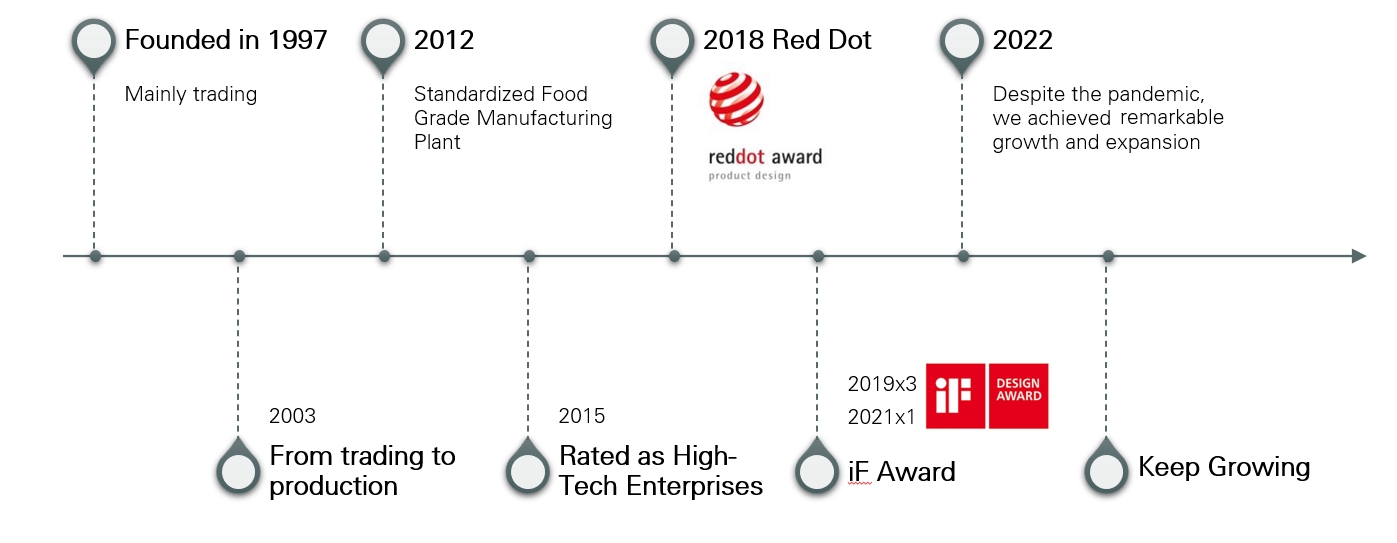
Since our establishment in 1997, we have been dedicated to delivering exceptional kitchenware development and manufacturing. Over the years, we have achieved over 300 patents and our meticulously designed and produced kitchen tools have been honored with the Red Dot Award and IF Design Award. We continue to innovate with new products to cater to evolving needs.

Our Commitment to Quality
With the expertise of our dedicated R&D team and the support of our in-house factory, our products undergo rigorous quality control measures from conception to completion, ensuring that each item meets industry standards with precision. As a testament to our commitment, we have garnered recognition from renowned international third-party testing companies, including prestigious LFGB and FDA certifications. This validates the exceptional quality of our products and reinforces our dedication to delivering excellence to our customers.

Global Success Stories
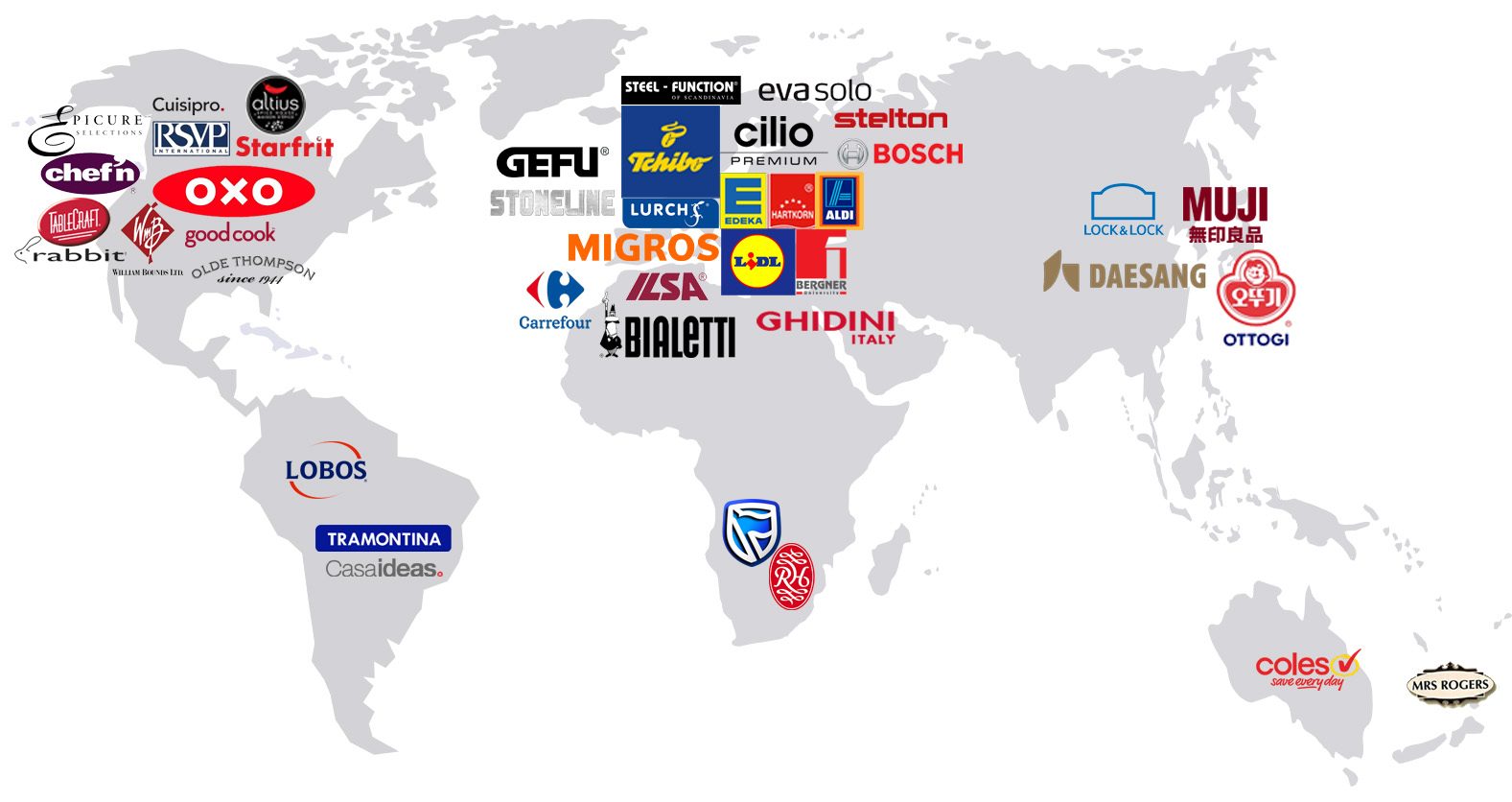
With a strong emphasis on quality, Chinagama has fostered successful partnerships with global clients, selling over 12 million pepper grinders annually. Every three seconds, a Chinagama product finds its way into the hands of satisfied customers worldwide.
Our Journey Through Decades of Manufacturing Innovation
In 1997, Chinagama embarked on its remarkable journey, initially focusing on trade work. With a keen eye for opportunities, in 2001, we embraced the emerging realm of online trade and set forth on a path of vigorous development.
Passion for Culinary Excellence
Driven by our passion for cooking and kitchen utensils, in 2003, we made a transformative shift from trade to production. This pivotal decision led us to establish a standardized food-grade production plant in 2012, empowering us to continuously innovate and introduce new, quality-driven products.
Evolving with Innovation
In 2015, our relentless pursuit of excellence was rewarded as we earned the prestigious title of a high-tech enterprise. Since then, our products have been consistently honored with the coveted Red Dot Awards and IF Design Awards, affirming our commitment to cutting-edge design and craftsmanship.
Continuing the Journey
Our journey doesn't end here. Chinagama continues to forge ahead, driven by a steadfast dedication to surpassing expectations and delivering exceptional kitchenware solutions to our global customers. Join us in celebrating our past achievements and look forward to the inspiring chapters yet to be written in our story of culinary innovation and excellence.


Our Vision
To become the preferred supplier of premium kitchen grinding tools for mid-to-high-end brands around the globe, setting the standard for quality, design, and performance.
Our Mission
We are committed to helping our customers overcome challenges by providing more competitive grinding solutions and customized services. With a deep understanding of industry needs and continuous innovation, we strive to enhance brand value and become a trusted long-term partner for our customers.
Our Core Corporate Values
We are dedicated to mastering the art and science of grinding tools, striving for excellence from concept to production.
We believe that forward-thinking design and technological innovation are key to achieving sustainable growth and long-term value.
We prioritize responsible manufacturing practices and the development of eco-friendly products to minimize our environmental footprint.
We are committed to building partnerships that create value and foster long term, shared success.
Frequently Asked B2B Technical & Sourcing Questions
Concise answers to common technical, compliance, and minimum order inquiries from corporate procurement officers and private brand developers.
Request a Technical Spec Sheet & OEM Quotation
Connect directly with our engineering team for customized CAD files, production line testing data, material samples, and tiered wholesale pricing for your brand.